



Acne is such an emotional thing to experience – it’s frustrating and confusing, it’s embarrassing and upsetting, and it’s a struggle you might feel really alone in.
Wherever you are in your acne journey, our doctors are here to help with proven treatments and the kind of empathy and partnership you need to actually heal and get to a place of empowered control over your skin. Our practice is fortunate to have been able to invest in many different acne treatments – and we’re proud of this ability to offer many different advanced technologies because as you probably already know – acne is not a one-size-fits-all type of thing.
Top Asked Questions About Acne
- What causes acne? How can I prevent acne?
Acne can be caused by many factors, including certain medications, cosmetics, and skincare products with small enough particles to clog pores; and hormonal changes including pregnancy, menopause, menstruation, and emotional stress. However, an underlying cause for most acne is a rise in androgen levels, which is a type of hormone. High androgen levels can cause the oil glands in the skin to grow, producing more sebum and in turn, cause bacteria to be trapped within the pores and fester. Many of these causes can be avoided or treated to help reduce your acne flares.
AVOID COMEDOGENIC (PORE-CLOGGING) SKIN CARE AND COSMETICS
Most people will develop at least mild acne if they use products that clog their pores. You should use non-comedogenic (non-pore-clogging) skincare and cosmetics to avoid this cause of acne.
EXFOLIATE REGULARLY Exfoliation is a key to removing dead skin cells, a key contributor to clogged pores and pimples. Where most people go wrong with exfoliation is that they choose overly harsh products that strip away the natural oils of the skin. Your skin needs some oil to function, so if you remove all of its natural oils, it will step up sebum (oil) production, creating more problems than your skincare routine can solve. Look for a gentle chemical exfoliant - physical exfoliants like scrubs can damage the skin, creating micro-tears and irritation that can cause more acne, not to mention other problems. If you have questions about skincare routines or products, we highly encourage you to schedule a complimentary consultation with one of our physicians who can create a customized system for keeping your skin clean and clear. Simply call (732) 356-1666 to schedule. - Why do dermatologists sometimes fail to treat acne effectively?
Dermatologists typically have limited resources available to them to treat acne. They generally lack access to lasers and lights, as well as other technologies that are known to be incredibly effective in treating acne. At Reflections, we offer a large array of acne treatment options to help create a personalized treatment plan that will work for you. Our dedicated cosmetic physicians will take the time to understand all of the underlying causes of your acne, and help you at every step along the way to clear your skin. Treatments often combine FDA-cleared laser therapy like Sebacia with topical or oral medicines prescribed by the physicians at Reflections. We believe our dedication and deep interest in treating acne at all of its sources is why we are able to get fast and effective results, even for patients who have tried everything their dermatologist has recommended and prescribed.
- Which treatment is best for acne?
The best treatment for acne is lasers because lasers offer immediate improvement of current breakouts by reducing inflammation and killing bacteria - and it offers long-term results by balancing out oil production in the skin. It's not great at balancing hormones, exfoliating away dead skin cells (at least the kind of lasers we use to treat acne flares do not do this well - other lasers do), or managing the impact of skincare and makeup on the skin, so we typically do a thorough review of products you're using and prescribe some medication for help with these other aspects as well.
- Does acne go away naturally?
If your acne is caused by hormonal fluctuations (puberty, pregnancy, or natural aging in women), then it will naturally go away when your hormones shift again. The same effect might happen as you naturally tend to change skincare or makeup products throughout life. However, waiting out acne can be emotionally exhausting and lead to lifelong scarring - not to mention that acne can be caused by underlying medical conditions or food, skincare, or medication reactions that you'd rather know about and be able to treat differently. So we always recommend seeing a doctor to discuss and be evaluated. We do offer free acne consultations with our physicians.
What Are the Types of Acne – and Why Does It Matter for Effectiveness of Treatments?
Acne is a skin condition that causes spots and pimples to appear on the face and body. It is the most common skin condition in the U.S., with more than 50 million people affected every year. There are many types of acne, which include:
Whiteheads or Pimples with White Top to Them
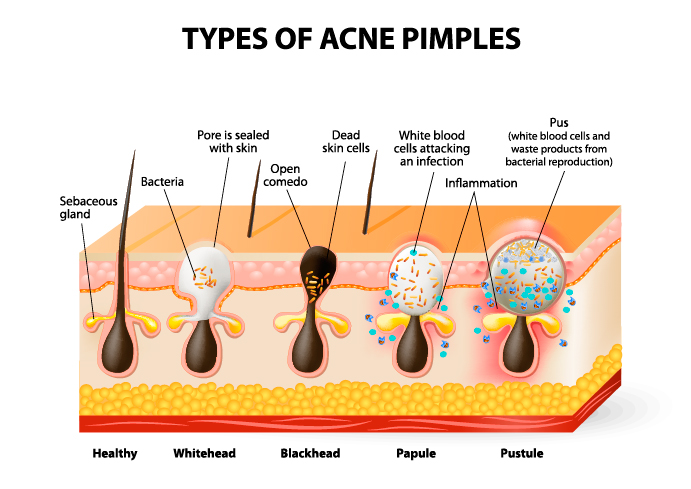
When hair follicles get clogged with dead skin cells and excess oil (sebum), bacteria can be trapped below the skin’s surface. Your body’s natural response to bacteria is to send in white blood cells to fight the bacteria. These white blood cells are often referred to as pus. The pimple will become inflamed as your white blood cells battle the bacteria and push the bacteria towards the surface, trying to expel it from your body. This is what forms the white “heads” of this type of pimple, or comedone. Squeezing or popping these types of pimples may feel good because it releases the built-up pressure and helps to remove some of the bacteria so the pimple can clear faster, but this can lead to acne scarring.
This type of acne can be caused by a variety of factors, and sometimes it’s a few of these working together in concert:
- Hormonal fluctuations
- Overproduction of oil
- Dirty skin environment (could be makeup or products that aren’t fully removed each night or bacteria out of balance from diet or touching face too often with hands – this is complex and difficult to pinpoint)
- Allergic or inflammatory responses to food or topical products being used
- Rosacea
- Etc.
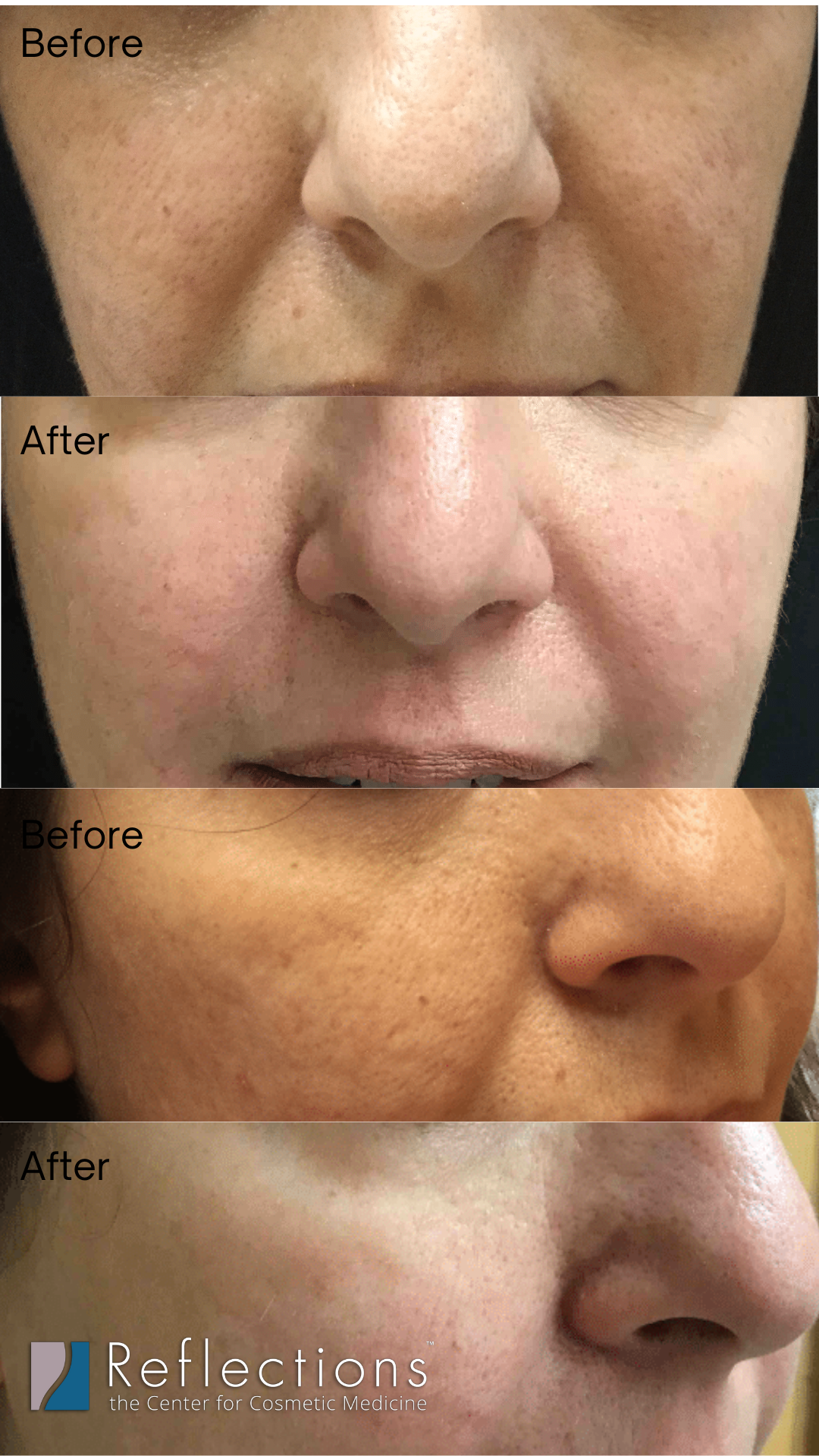
Blackheads
Blackheads are another type of comedone, or clogged hair follicle. They aren’t typically inflamed, but stem from the same causes as whiteheads. Dead skin, dirt, oil, and other debris get caught in the hair follicle. As this debris oxidizes, it turns black. These are most commonly seen on the nose, but can appear on pretty much any part of the body or face, including the cheeks, chin, forehead, and ears, too. There are all kinds of pore strips and washes claiming to clear these small black dots away, but most of these products only remove the very top of the debris in the blackhead because they fail to first open up the top of the follicle opening, so the larger bottom portion of the blackhead isn’t removed.
Many people mistake sebaceous filaments for blackheads. Sebaceous filaments are sebaceous oil that has cooled and hardened somewhat within the hair follicle or pore. It’s not blocking the pore completely, so it never becomes inflamed or infected with pus (whitehead) but – like blackheads – the top-most sebaceous oil will oxidize, creating a fine dark grey or black dot. Most people dislike these and try to extract them, which can create scarring and sometimes ends up infecting the pore and turning into acne. Sebaceous filaments are best treated with warm oil cleansing as part of either an oil-alone cleansing routine (for those with sensitive and dry skin) or a double cleansing routine with warm cleansing oil used prior to a traditional cleanser. Oil, especially when warmed up (rubbed between hands or using a warming stone tool like PMD clean pro), helps break up these fine oil filaments and gently remove the top layer that’s oxidized. You’re not curing the issue, because really it’s not an issue to be cured, but with regular maintenance, you’ll eliminate the dark specks that bother you, and this method does seem to help with other types of breakouts as well.
Papules
Papules occur when white blood cells attacking the bacteria in a whitehead fail to expel the bacteria through an opening in the skin. Instead, the bacteria leaks out in the surrounding tissues. You’ll see a small to medium sized bump that’s inflamed, but no clear “head” of these pimples. You shouldn’t try to pop them, as that will only spread the infection further.
Pustules
Pustules are the bigger, more inflamed versions of papules. The difference is that these pimples are full of pus, in addition to bacteria having escaped the confines of the follicle’s walls.
When you have either of these, your risk for scarring is significantly increased, so you want to avoid squeezing or picking – and you want to create a real plan with a doctor to not just clear up this round of breakouts, but prevent future recurrences as much as possible. When the infection is spreading to surrounding tissues, you’re much more likely to have indented firm scar tissue as a result afterward.
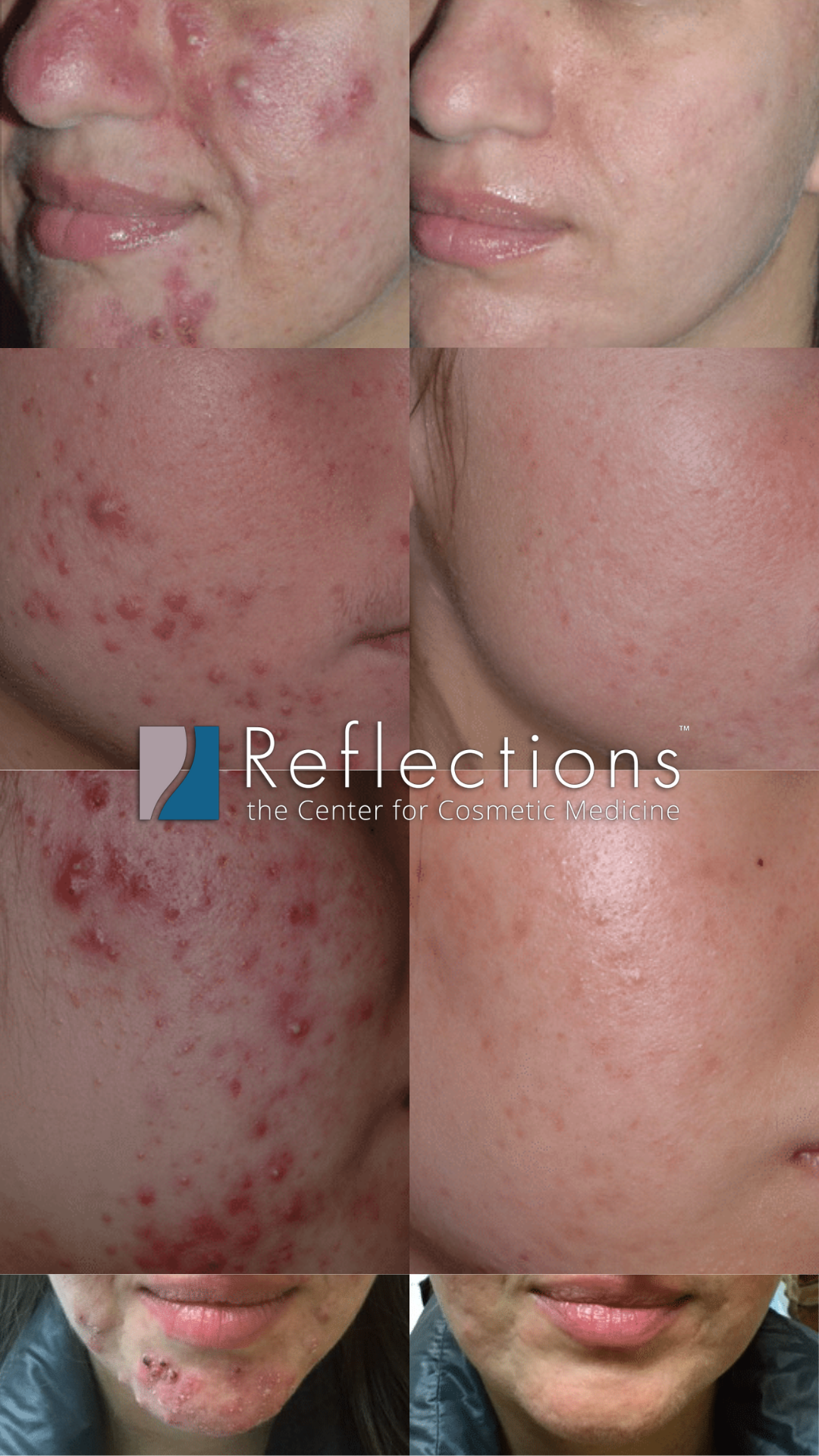
These types of infections are generally more than just clogged pores with a little bacteria caught inside. They often hint at deeper inflammation or hormonal issues that are making the skin behave poorly. Typically, we find quick treatment with a laser helps kill off the bacteria causing the individual breakout. Lasers can also help reduce oil production that leads to clogged pores in the future, and medications can be used to kill off bad bacteria in the skin, balance hormones, and balance oil production. Together, this creates dramatic changes for the skin without having to wait weeks and months for medications alone to start to work.
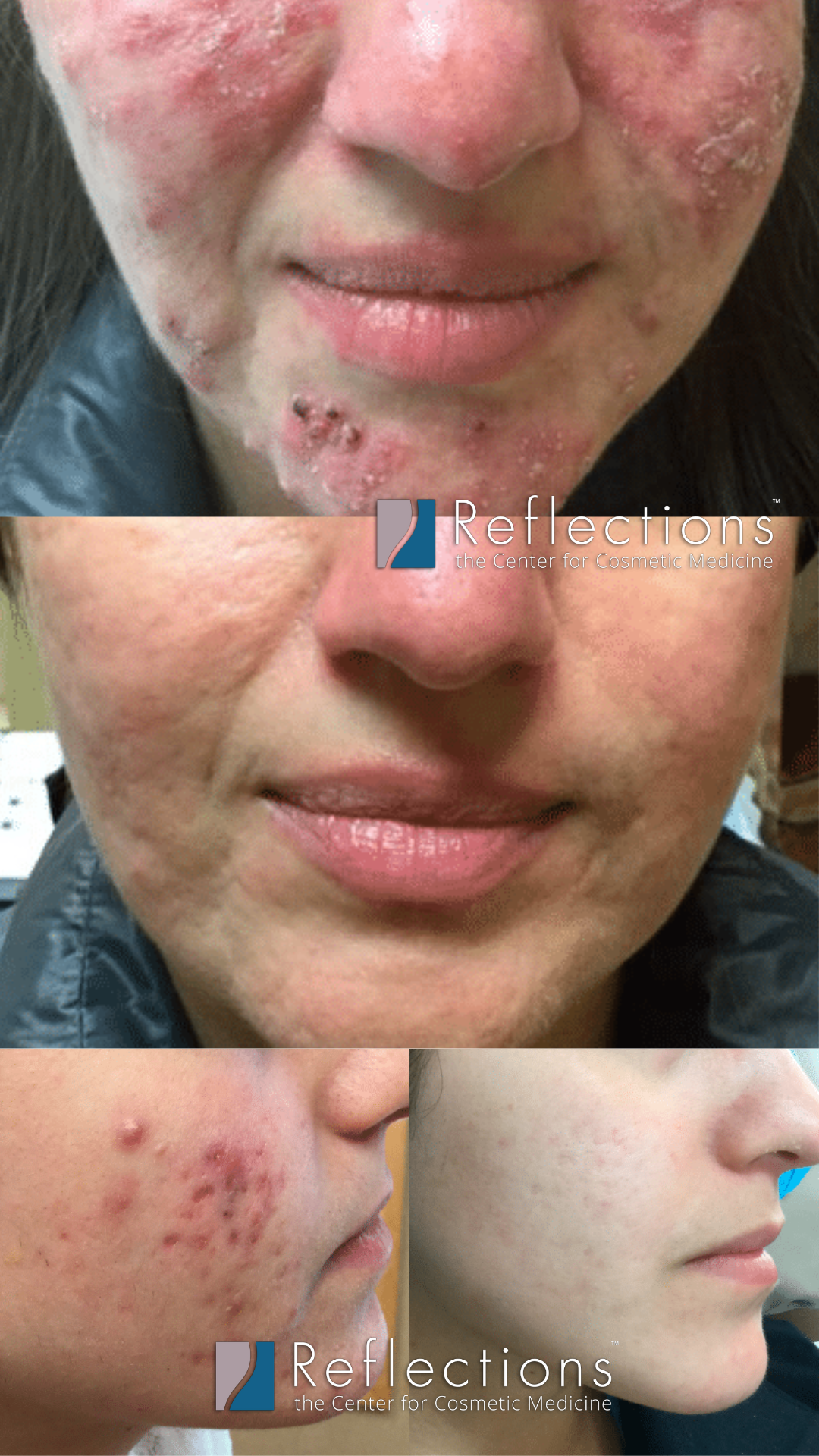
Severe Acne: Nodules, Cysts, and Acne Conglobata
If you’ve got very large, inflamed pimples that last for months, you’ve got the most severe type of acne: cystic acne. This type of acne is almost impossible to clear on your own and leaves the worst scarring. You’ll want to pair with a doctor with extensive acne-clearing experience to manage your acne and minimize the damage. Our physicians are particularly sensitive to the emotional trauma of this type of acne, as well as the scarring it can leave behind. So we work quickly to get skin cleared up.
Nodules and cysts are large, firm, painful infections and inflamed areas beneath the skin. Acne conglobata (sometimes called tunneling acne) occurs when cysts spread or multiple cysts converge. All of these are almost impossible to treat on your own – and the kind of acne you’ll most want to do something about because they are very uncomfortable and very difficult to camouflage.
Our Favorite Treatments for Acne Treatment
Many women find they have acne for the first time in their life in their 30s or 40s – and there’s usually a hormonal component involved for these patients.
Hormone-Balancing Medications
If we don’t get the source of this acne under control – hormonal imbalances causing the skin to overproduce oil and be more easily inflamed – then any result we get is not going to last. So, we always start with a medical history and exam to check for some common bigger underlying hormonal issues like PCOS, certain diseases, menopause, medications you may be on, etc. Then we create a plan to keep those hormones well-balanced, which usually includes some sort of prescription medication (and potentially lifestyle changes, depending upon the cause – such as stress management, diet changes, etc.).
Lasers & Treatments
We’ll use lasers right away to get the current flare-ups under control and minimize the scarring risk – hormonal acne tends to be deeper and scar more easily so this is important, especially because this typically impacts women who’ve never battled acne before and who are very distraught by the potential of permanent scarring.
Typically, the lasers we use for this are VBeam, Smoothbeam, or Sebacia. Occasionally, RF microneedling or Botox is used. RF microneedling, Smoothbeam, and Sebacia all kill the bacteria with heat. SmoothBeam, Botox, and Sebacia help down-regulate oil production.
The Right Skincare & Makeup for Anti-Aging & Acne-Clearing
It’s a difficult balance to find products that are going to do the heavy lifting of anti-aging without inflaming or upsetting sensitive, acne-prone skin. However, there are a few rules we believe can help you select the right products (and we’re here to help, too):
- Retinols are helpful for reducing both acne and wrinkles – so definitely prioritize investing in retinols. We’ll help you select the right one, whether it’s prescription strength or over-the-counter
- Try to limit pore-filling primers and comedogenic foundations, primers, and moisturizers. These are going to cause more breakouts.
- Gentle oil cleansers are very helpful. There are many good Korean and Japanese ones – you want something for sensitive skin. Use either alone or followed by a gentle cleanser.
- Sunscreen is very important in keeping acne from turning into dark spots or red scars. Choose a non-comedogenic chemical sunscreen. Neova, SkinMedica, and EltaMD make great ones.
- Beware serums that can clog the skin – we love TNS Serum by SkinMedica and the newer formulation is good, but the original formula can break you out (you’ll notice it looks like PB&J when dispensed – avoid that one).
- Make sure you’re wearing clean masks (if at all) – this can really increase the severity of these breakouts.
A lot of teens really struggle with the patience and consistency needed to make topical prescriptions effective. They also have hormonal surges that make it much more likely they’ll experience severe flare-ups. For both of these reasons, we prefer lasers for getting teenage acne under control and for controlling intense break outs. At-home skincare routine, which should include medications, is helpful to keep skin clear and prevent scarring, as well.
Sebacia
Sebacia is great for those with stubborn teenage acne that’s creating large pustules and pimples. This treatment helps calm down current breakouts and reduce the oil production that is a contributing cause of acne in the long term.
Smoothbeam and Vbeam
Smoothbeam works to reduce the overactive oil glands that often cause acne, along with killing off bacteria in the skin. It’s one of our favorite and longest-standing treatments for acne, proven by hundreds of happy patients treated at our New Jersey offices (and plenty of clinical studies as well).
Vbeam targets redness in the skin, helping to clear up inflammation and pretreat any red scarring that may be building up in the skin. Teens love how quickly this helps clear up the visible redness of angry acne lesions.
Deep Pore Cleansing Facials
Especially for our younger patients, a facial treatment that opens and cleanses the pores can be a powerful help in clearing up acne. Our aesthetician provides this service with medical-grade cosmeceuticals at the direction of our physicians.
True cystic acne is a devastating disease and one that is best cleared as quickly and efficiently as possible to prevent as much scarring as possible. Getting cystic acne under control is going to require you to come in for regular treatments and to be consistent with your at-home care. However, patients who are dedicated can see amazing results in a few months when they combine both lasers and at-home prescription medications. Our doctors will help you strike the right balance faster.
Sebacia
Sebacia is great for cystic acne because it helps reduce oil gland production to a normal level. And unlike Accutane, which dries up all oil production through the entire body, Sebacia works only on the face and only to bring oil down to a normal level, restoring healthy skin function without the terrible side effects of Accutane.
Smoothbeam and VBeam
Vbeam is particularly wonderful for cystic acne because it treats inflammation (redness) of current breakouts and helps calm down the skin. Cystic acne sufferers love this as almost nothing else helps them visibly start to clear up their skin as quickly.
Smoothbeam is typically added to these treatments on the same day and helps to reduce oil production while also killing bacteria in the skin.
Together, these two offer a strong one-two punch to help get acne under control.
PDT and Levulan
Photodynamic therapy with Levulan is often the treatment of last resort for acne that simply is not responding to anything else. This intense treatment resurfaces the skin with a chemical that is activated with a special light. While the treatment is not an easy one, it can be like hitting a reset button for troublesome skin, and for some, that is worth it.
Without Levulan, Photodynamic therapy mostly offers a small reduction in inflammation and bacteria in the skin.
Beard acne can be a constant struggle for some men.
Laser Hair Removal
Acne in the beard (even for women with the odd chin or neck hair) is often related to ingrown hairs and can be treated with laser hair removal. In some men, it is merely an issue of balancing cleaning of the skin without drying out the beard hair – and that is a difficult balance to strike. In this case, oil cleansers either used alone or as part of a double cleansing system may be helpful.
Some men of course do have acne that is not related to beard growth and simply happens to coexist in the same area as their beard grows – in which case, laser treatment is generally ideal, especially when paired with prescription medications.

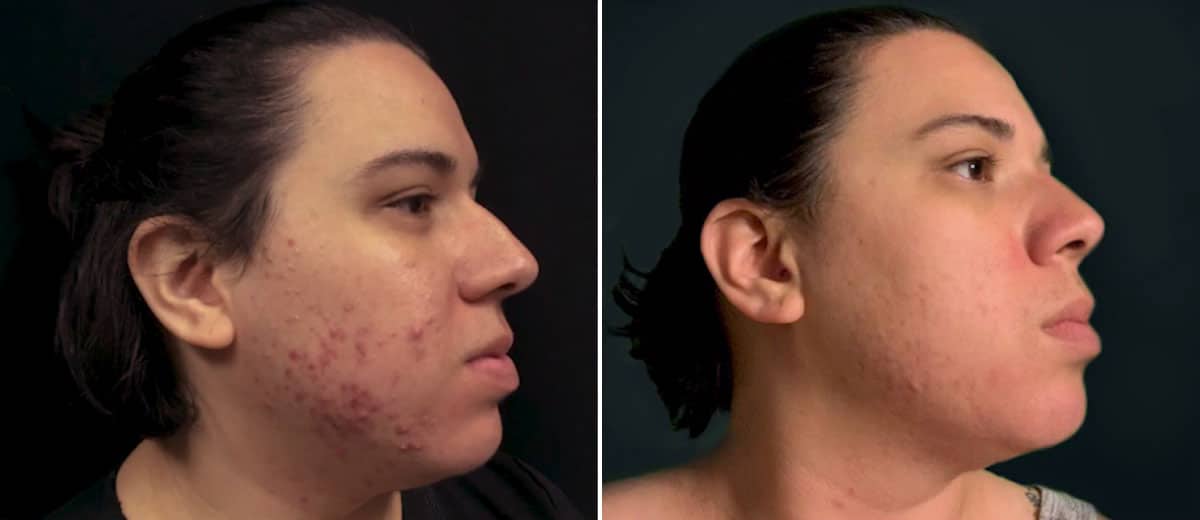
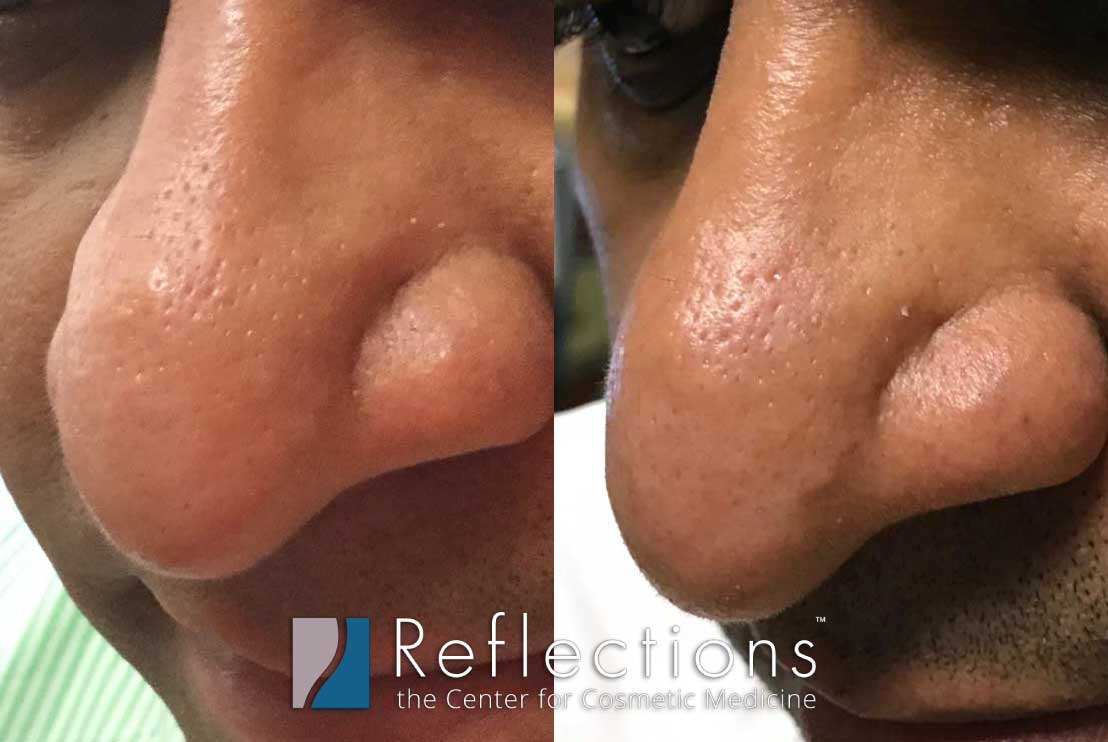
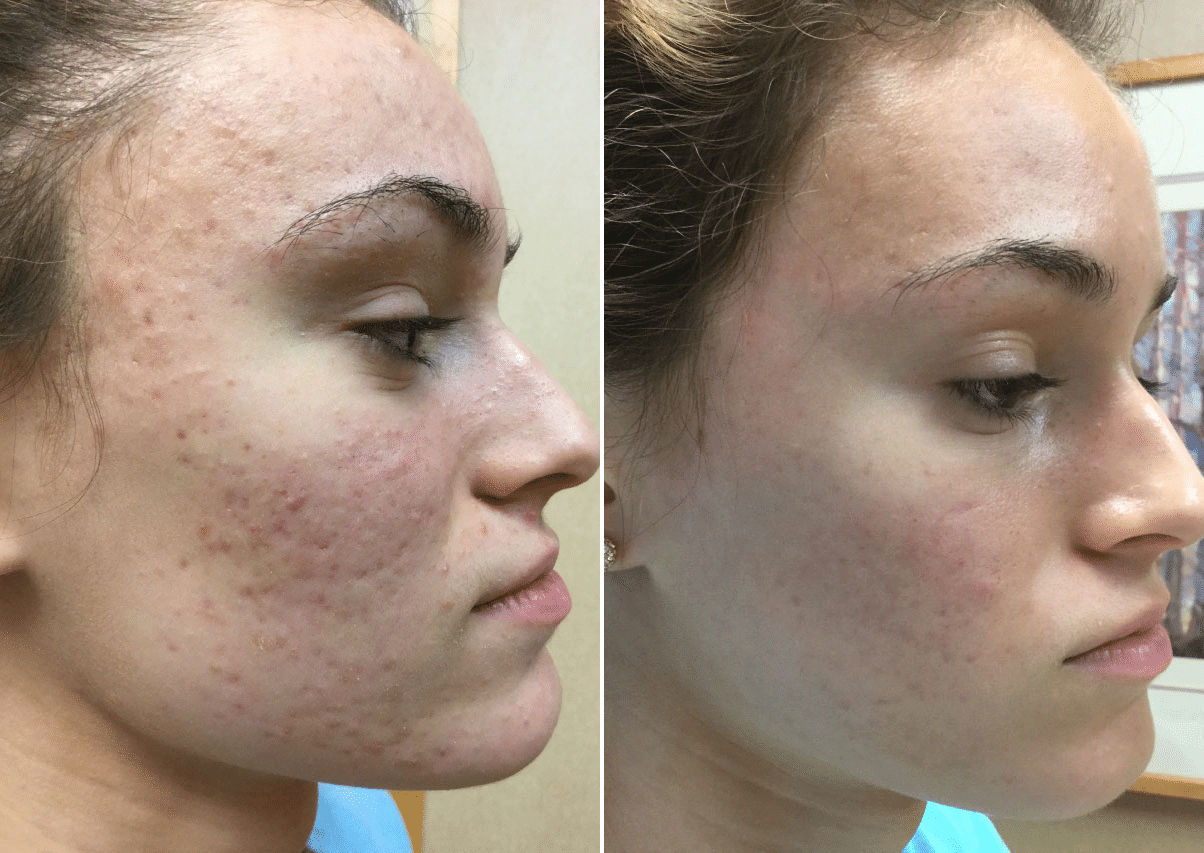
View More Acne Treatment Before & Afters
More Before & Afters
“You gave me my skin and life back. Acne had taken over, and now, thanks to all the wonderful devices and procedures and most importantly, expertise, my skin is clear, and I have my confidence and normally great emotional state back.”
View My Story
Why Choose Reflections For Acne Treatment?
At Reflections, our board-certified physicians focus on using combination therapies to get acne under control fast and prevent future breakouts. We always take the time to create individualized treatment plans to meet your lifestyle for the very best results.
To get started on your journey to be acne-free, schedule a free consultation today by calling (732) 356-1666 or visit our acne treatments page to learn more about treatment options.
Clearing up your acne once and for all requires medications and therapeutic treatments to create a healthier environment in your skin from the inside out, as well as skincare and prescription medications to maintain that healthy environment. Because our doctors provide all of the acne consults and care at our practice, and because they have so much experience both with medical management of acne and the cosmetic treatment of acne and acne scarring, you’re going to get the kind of care you won’t find anywhere else – compassion, concern for your long-term emotional and cosmetic outcomes, and solutions that focus on clearing your skin as effectively and quickly as possible.
Frequently Asked Questions About Acne Treatment
- How do I stop getting acne?
Unfortunately, there’s not one big checklist we can give you for this – it’s going to vary for everyone.
But you’ll need to:
- Balance the oil production in your skin – maybe this is using a different moisturizer, maybe it’s washing your face less, or maybe it’s a laser or prescription medication
- Balance your hormones
- Kill bad bacteria (p. acnes) and balance good bacteria and the microbiome on your skin
- Use non-comedogenic skincare and makeup
- Clear oil plugs and exfoliate the skin
Blog
Acne Scar Treatment: What Dermatologists and Plastic Surgeons Can’t Do
Acne scarring is famously hard to get rid of. If it gets in the way of your...
Read More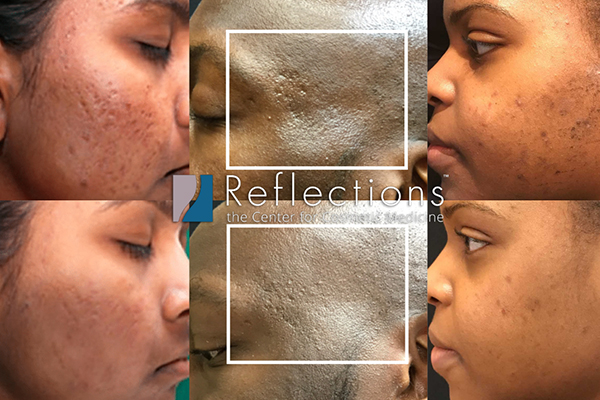
Blog
5 Factors of Treating Acne in Skin of Color
There are five key factors that people of color, especially those of African...
Read More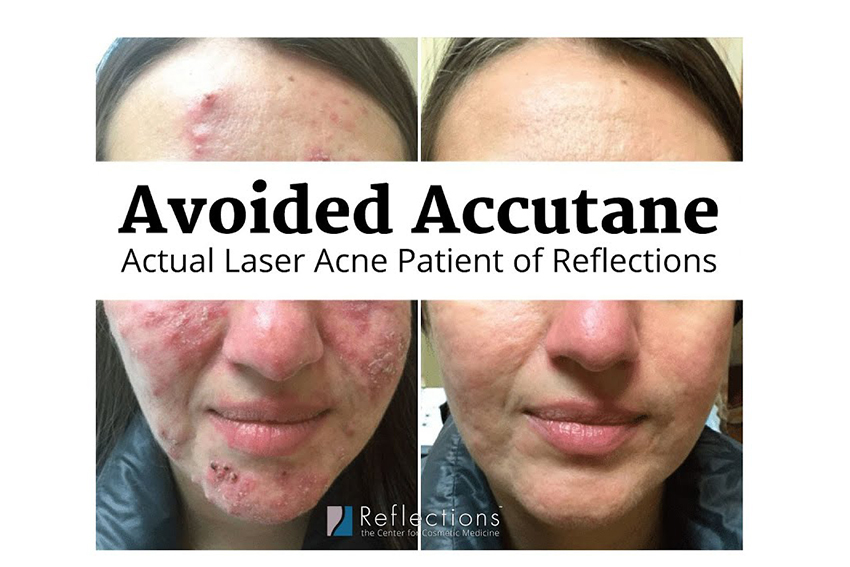
Blog
Accutane Alternatives You Should Know About
Accutane, or as in its generic form, isotretinoin, is a medication used to...
Read MoreSchedule Your Free Consultation
With One Of Our Physicians
Schedule Now

Dr. Mitchell Chasin is a Cosmetic & Laser Physician at Reflections Center. Dr. Chasin believes strongly that the best cosmetic physicians are those who are dedicated to mastering their craft through continuing education and collaboration with the industry’s top doctors.