




Breast reduction surgery is highly successful – patients are very happy after this procedure, because it helps them to feel better physically, by reducing grooving in the shoulders, rashes, back pain, athletic ability, and ability to easily buy and fit into clothes. They also find they’re more confident and experiencing life they way they want to live.
Also known as a reduction mammoplasty, our Board Certified Plastic Surgeon offers breast reduction at Reflections Center for Cosmetic Medicine in Martinsville and Livingston, New Jersey. There are many reasons that women opt for breast reduction. Excessively large breasts can cause physical pain and emotional discomfort so breast reduction surgery can be a life-changing solution.
Breast Reduction Quick Facts
- Average Cost: $12,500 – $17,000 for surgeon’s fees, (plus $3,000 for anesthesia and OR, typically)
- Downtime: 7-10 days of relaxed downtime
- Can be combined with implants or a lift
- Always performed under general anesthesia
The Best Breast Reduction Treatment Options
There are various techniques used in breast reduction, but there is generally only one or two techniques that will work best for your anatomy and goals. You may find it helpful to read about the techniques to educate yourself, but please know that Dr. Fodero will also lay out your options and which would not help you achieve your goals. For the vast majority of patients with large enough breasts to warrant a reduction (and not just a lift), the inverted T anchor lift is the only procedure that will remove enough tissue to make you happy.
Vertical Lollipop Breast Reduction
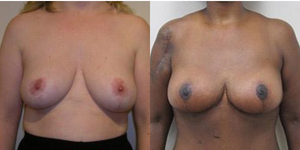
Dr. Fodero almost always uses this technique for his breast reduction surgeries, though he sometimes has to extend the incision to a full anchor technique. The vertical lollipop lift allows Dr. Fodero to reshape the internal breast mound through an incision that goes around the areola and down the length of the breast to the inframammary fold, or the spot where the breast meets the chest wall. For most patients, this is the preferred method because it achieves enough of a lift and reshaping of the breast with the least amount of scarring possible (and as you can see in the photos, the scars can be quite minimal even just a few months into healing).
Inverted “T” (Anchor) Breast Reduction Surgery
This is the most common technique used for breast reduction surgery worldwide, but typically Dr. Fodero only extends a Lollipop reduction into a full anchor reduction when it is absolutely necessary.
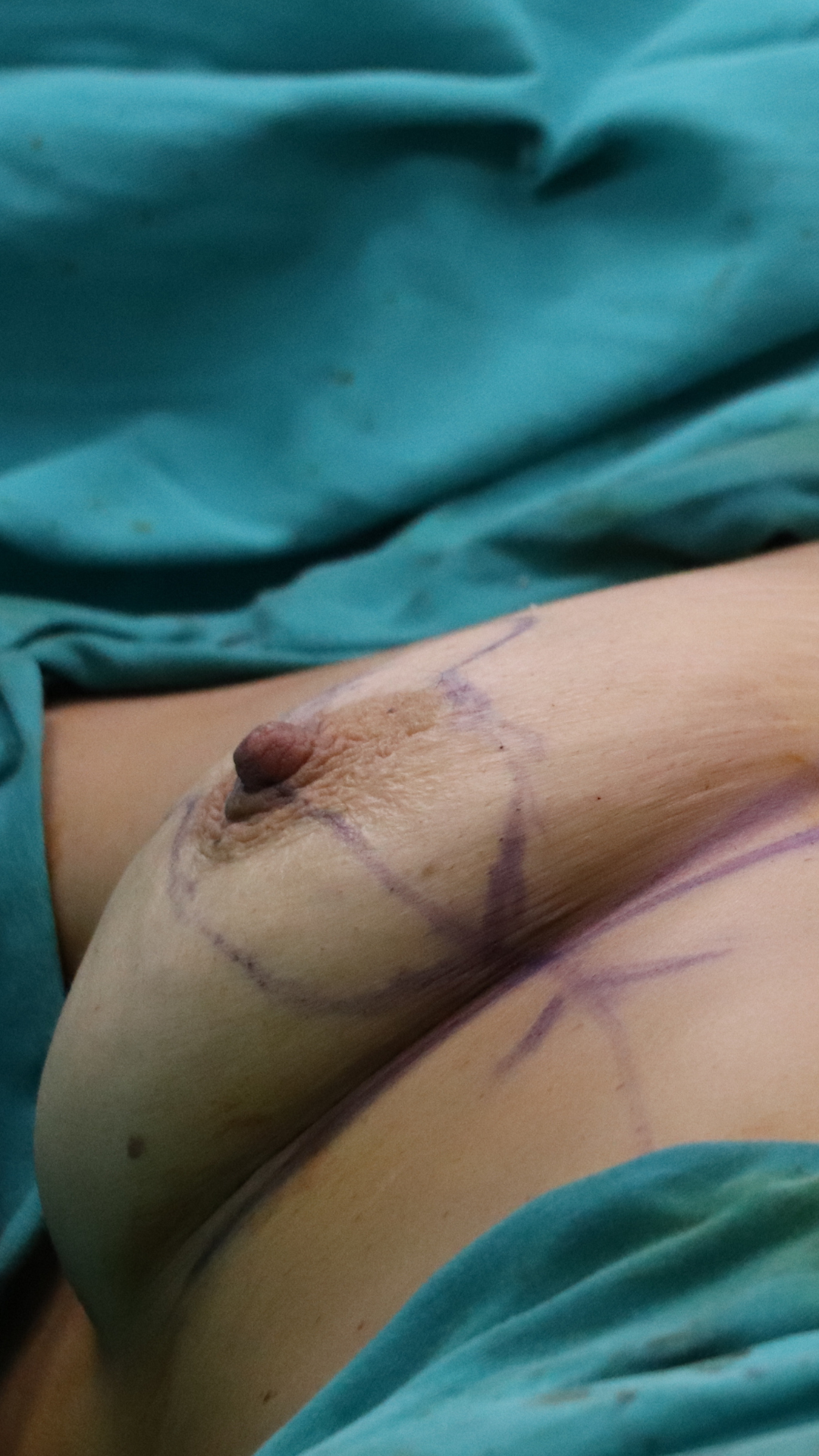
During an inverted “T” or anchor breast reduction surgery, an incision will be made around the nipple, in a “keyhole” pattern, or in an “anchor” shape (around the nipple and vertically to the breast fold). Through this incision, excess tissue can be removed so that the breast mound is internally supported and the skin is no longer the support system for the breast, but rather wraps nicely around the breast. The nipple and areola may be moved to a higher position. The incisions are then closed.
It’s important with this style of breast reduction that the “inner bra” or internal structure of the breast is addressed. The best scars and long-term lifting results require that the internal tissues of the breast are not relying solely on the skin for support. This is something Dr. Fodero is quite passionate about, and spends significant time planning out prior to surgery.
Most surgeons who performed this style of breast reduction historically put a lot of the “lifting effort” on the skin (as opposed to creating an internal breast mound that was ideal and allowing the skin to wrap gently around that). Making the skin do the heaving lifting is a bad idea in breast lifts and reductions because it puts pressure on the scar as its healing (which significantly increases the risk of a bad scar that’s wide, discolored, not smooth, etc.). The risk of bottoming out is high and the durability of the result is low, meaning the skin will sag again under that weight, given enough time. However, when you tighten and firm the breast mound underneath, then you have a nice, long-lasting result that looks natural and creates a much lower chance of a noticeable scar.
Benelli Technique for Breast Reduction (also called a Donut Lift)
In the Benelli or Donut Technique, an incision is made just around the areola, and all excess tissue is removed through this single incision. While this procedure offers the smallest potential scars, it also offers the smallest potential change which is generally not what a breast reduction surgery is about.
When we talk about using the Donut Lift procedure for breast reduction, the patient for whom this is an option is one with large breasts that are perky. If you look at your breasts from the front, you want your nipples to be at or higher than your inframammary fold and you want very little overall sagging of the breast tissue below the inframammary fold, maybe 2-4 cm at most.
Most patients want to discuss this as an option for them because the scars are well-hidden along the areola, and don’t extend into the fairer-toned skin where they tend to be more noticeable, at least at first. If scars are your biggest motivation for wanting a specific technique to be used, that’s the perfect thing to discuss during your consultation. You might be surprised to learn that there is a lot of strategy behind how Dr. Fodero performs his breast reductions and how he instructs his patients to take care of themselves post-operatively. We also offer proactive scar therapy with our non-surgical team of cosmetic physicians.

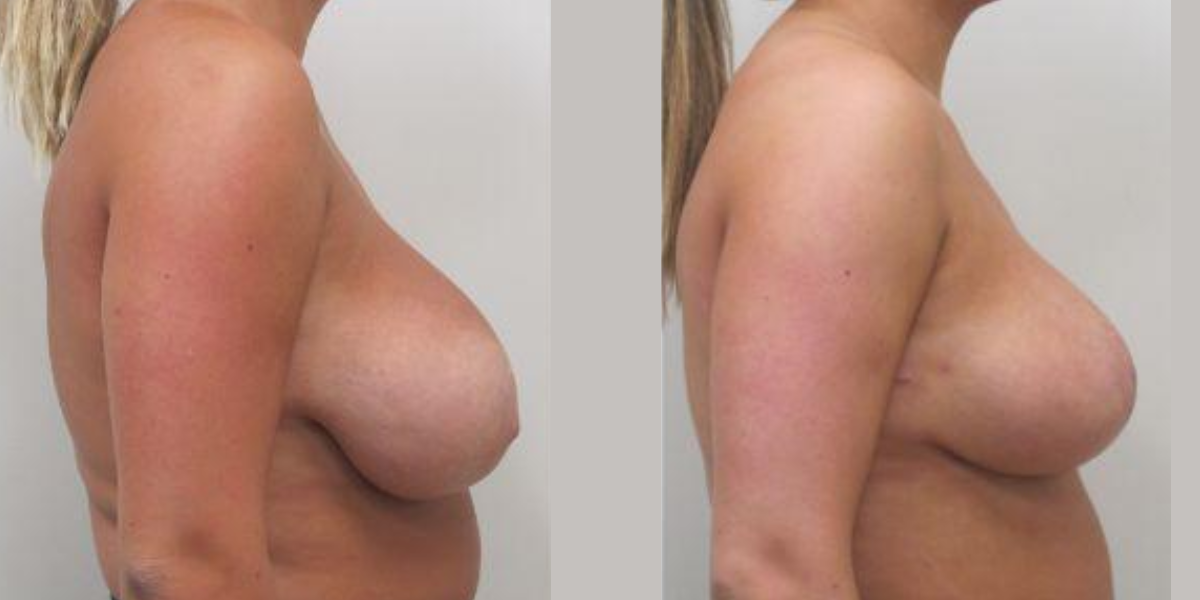
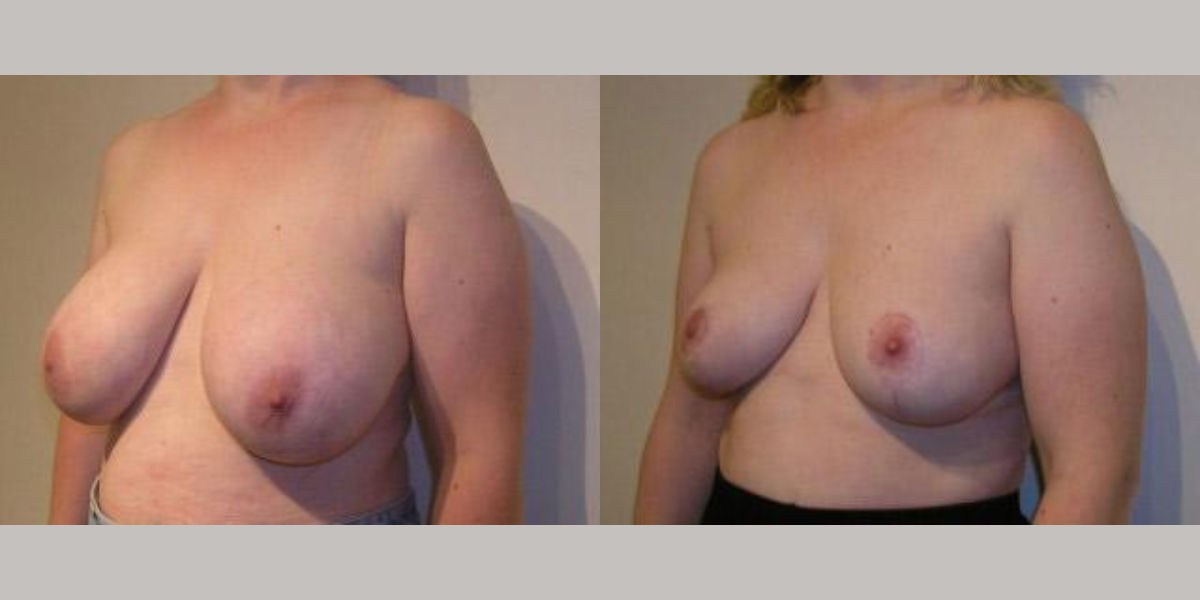
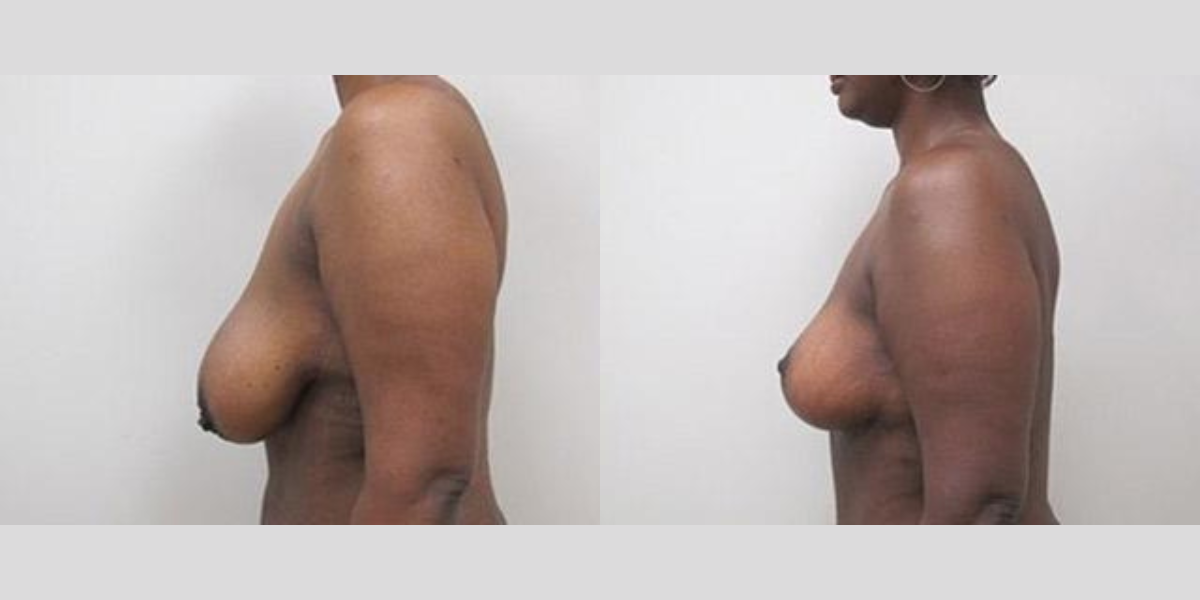
View More Breast Reduction Before & After Images
More Before & Afters
Why Choose Reflections Center for Your Breast Reduction
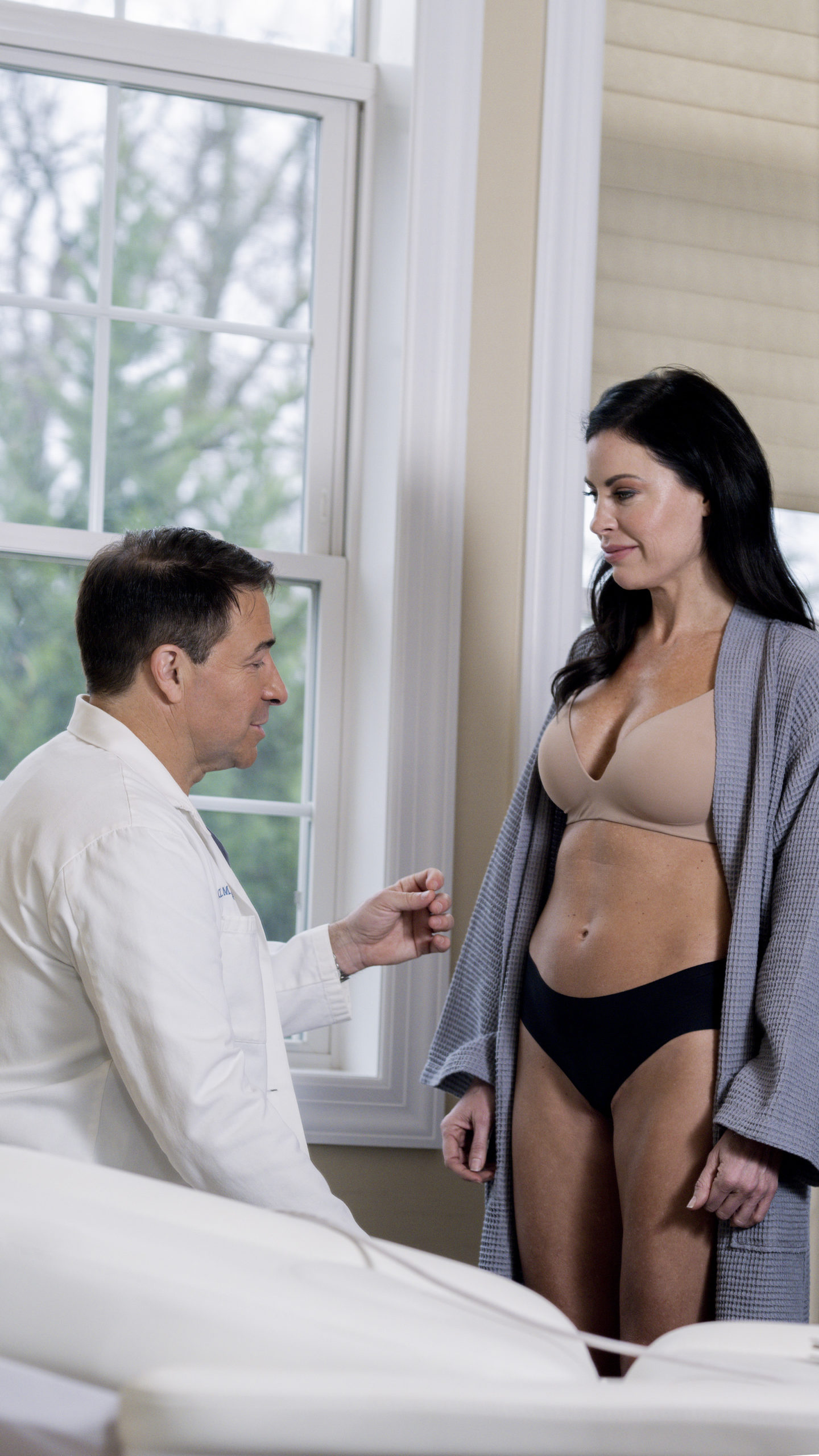
Most women find by the time they book a breast reduction surgery, it’s become quite an emotional and frustrating part of their life to feel like they are at war with their own bodies. Having a plastic surgeon who is on your side and offers you compassion while you plan a new way forward, that’s worth everything.
Dr. Fodero is an excellent plastic surgeon, not just because he trained at the top schools and programs, or because he was elected to Chief of Plastic Surgery at Morristown Medical, but because he deeply cares for his patients. You’ll find he is warm and gentle and yet, he is artistic and precise in the results he creates. It’s the perfect balance of a great experience and the kind of results you’ve been hoping for.
Reflections Center is proud to be home to a team of doctors who each bring their own expertise in cosmetic care to our patients. While breast reduction is always a surgical procedure, our physicians often provide post-surgery scar care or other types of support to ensure your every need and wish is looked after.
Frequently Asked Questions About Breast Reduction
- Am I a candidate for breast reduction?
As long as you’re generally healthy, you’re likely a good candidate for breast reduction surgery. Many patients find that their excessively large breasts cause both physical and emotional discomfort. This can include:
- Once your breast size has stabilized (usually as a late teen or into your early 20’s, but could be later)
- Difficulty performing certain activities such as running
- Back, neck, or shoulder pain
- Skin chafing
- Self-image problems
If you are bothered by your large breasts, are a nonsmoker, and are at a stable and healthy weight, you are likely a good candidate for breast reduction. You’ll discuss your goals for breast reduction surgery during a consultation with our board-certified plastic surgeon to create the right surgical plan for you.
- What is breast reduction recovery like?
After your breast reduction, you can expect some soreness and discomfort for the first several days which can be alleviated with a prescription or over-the-counter pain medication. You’ll need to wear surgical support garments to alleviate swelling and drainage tubes may be put in place. Most patients will need to rest for about a week before returning to normal activities such as work or school. After about two weeks, most patients are ready to resume more strenuous activities like exercise routines. Your recovery process will be monitored through follow-up appointments to ensure proper healing and you’ll receive detailed aftercare instructions from our team before your surgical date.
- Does breast reduction require implants?
Breast reduction does not require implants. During breast reduction surgery, excess tissue is removed and the remaining skin is excised and reshaped for an enhanced breast contour. Some patients may consider implants to change the shape of the breasts but that is very rare.
- Is breast reduction covered by insurance?
Because breast reduction surgery improves back and shoulder pain, among other issues, it can be covered by some health insurance plans. However, most insurance providers require proof that you have tried other solutions, such as physical therapy, without success before you turn to surgery. We encourage each patient to discuss their coverage with their insurance provider before their consultation in order to maximize their benefits.
- How many cup sizes can you go down with a breast reduction?
Your cup size after breast reduction will vary based on several factors. Your plastic surgeon will help you select a size that relieves your problems and flatters your figure. That being said, most breast reduction patients go down about two cup sizes after surgery.
Sources:
- https://www.plasticsurgery.org/reconstructive-procedures/breast-reduction
- https://www.smartbeautyguide.com/procedures/breast/breast-reduction/
- https://www.fda.gov/consumers/consumer-updates/5-things-know-about-breast-implants
- https://www.ncbi.nlm.nih.gov/books/NBK441974/
- https://www.mayoclinic.org/tests-procedures/breast-reduction-surgery/about/pac-20385246
- https://www.webmd.com/beauty/cosmetic-procedures-breast-reduction-surgery
- https://medlineplus.gov/ency/article/007405.htm
- https://www.healthline.com/health/breast-reduction
- https://www.verywellhealth.com/what-happens-during-breast-reduction-surgery-2710004
- https://emedicine.medscape.com/article/1274715-overview
- https://medlineplus.gov/ency/article/007405.htm
- https://healthy.kaiserpermanente.org/health-wellness/health-encyclopedia/he.breast-reduction.tf2235

Dr. Joe Fodero is a board-certified plastic surgeon with over 20 years of experience. For 20 years, Dr. Fodero has built an amazing resume of plastic surgery work in the New Jersey area and is recognized as a Top Plastic Surgeon in Rhinoplasty, Breast Augmentation, and Body Sculpting. We’re so happy he’s decided to join forces with the Reflections Center team of physicians.