


There are three main types of rhinoplasties: primary, revision, and functional. Primary rhinoplasty is a cosmetic procedure that enhances the shape of the nose but if there are poor results, a revision rhinoplasty can correct and improve the initial surgery. A functional rhinoplasty straightens the nose to open the airways and improve breathing. Rhinoplasty used to be associated with teenage girls wanting to fix their noses, but there are so many people who want rhinoplasties for a wide variety of reasons! Every person is unique and whether you are looking for a more masculine or feminine nose or want an ethnic rhinoplasty to honor your heritage, a rhinoplasty can be designed for you.
Rhinoplasty Quick Facts
- Enhanced profile
- Eliminate nasal bumps
- 6 weeks for face to look good after surgery
- Non-surgical options for subtle changes
Today’s Best Options for Nose Job (Rhinoplasty)
Dr. Fodero focuses on cosmetic rhinoplasty but can also perform a functional rhinoplasty to straighten the septum and improve breathing. Non-surgical options are also a possibility for some patients hoping to achieve subtle changes to their noses.
Botox
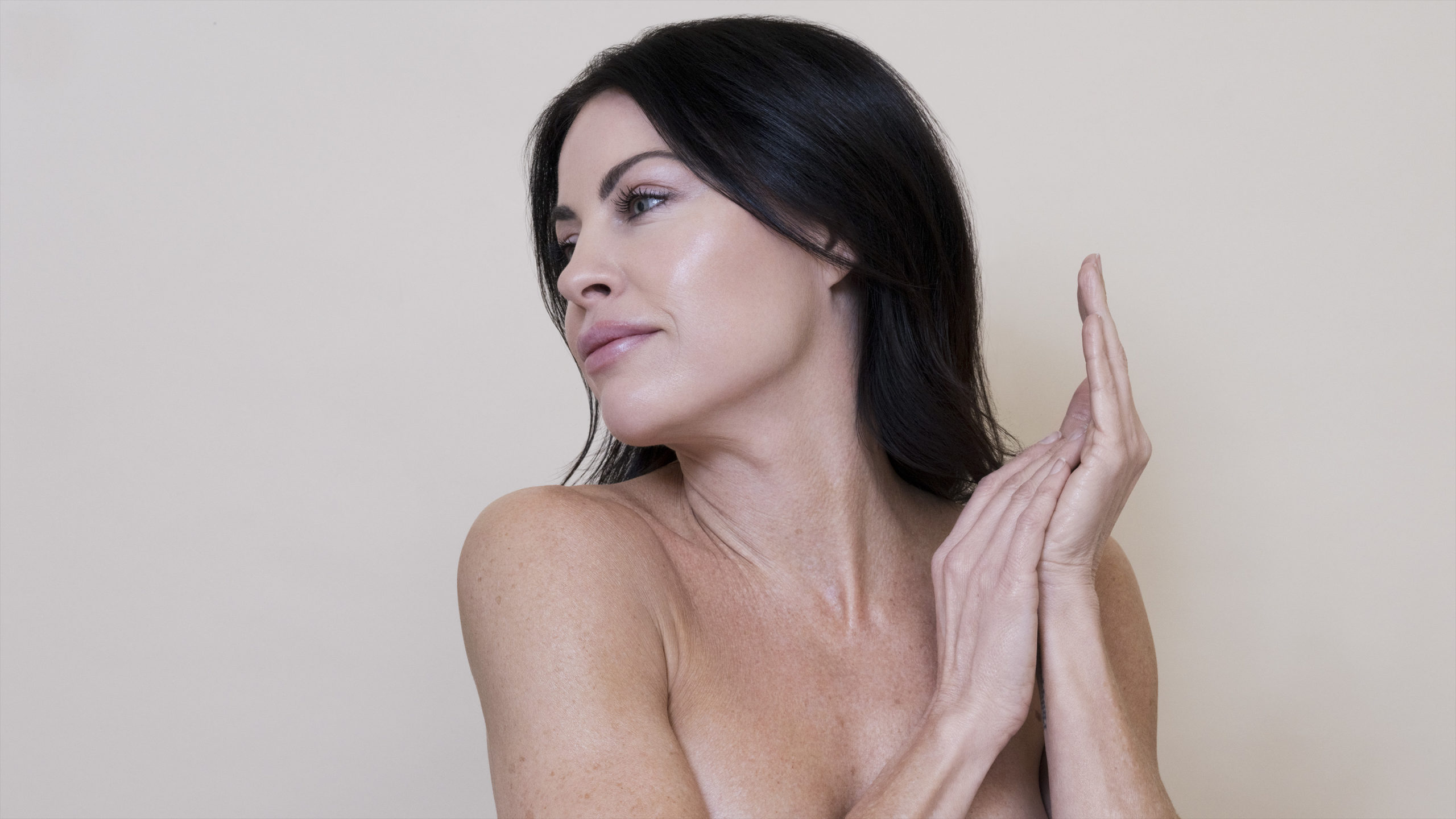
Botox smoothes fine lines and wrinkles to correct skin imperfections on the nose before or after surgery and improve the overall appearance of your nose. Botox can also lift a drooping nasal tip by releasing the muscles that cause the tip to contract.
Learn More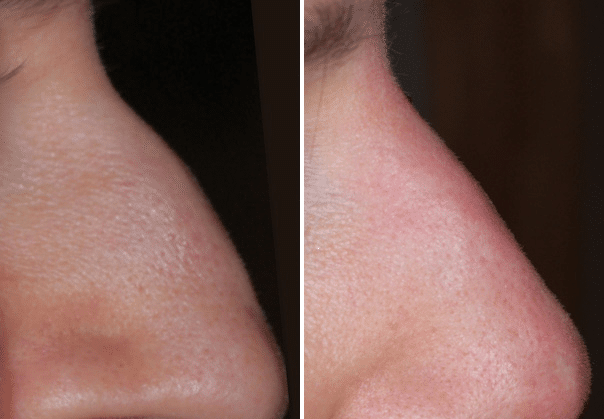
Dermal Fillers
A liquid rhinoplasty uses filler to enhance the appearance of the nose. Hyaluronic acid dermal fillers can fix a deficient dorsum or a dip on the bridge of your nose. Filling in deficient areas can hide bumps on the bridge of your nose and create a straighter profile. Irregularities between the eyes, an area called the radix, can also be corrected with dermal fillers. A radix that sits high or low can make nasal bumps more prominent or contribute to a hooked nose. Filling in the radix or surrounding area will conceal those nasal bumps.
Learn More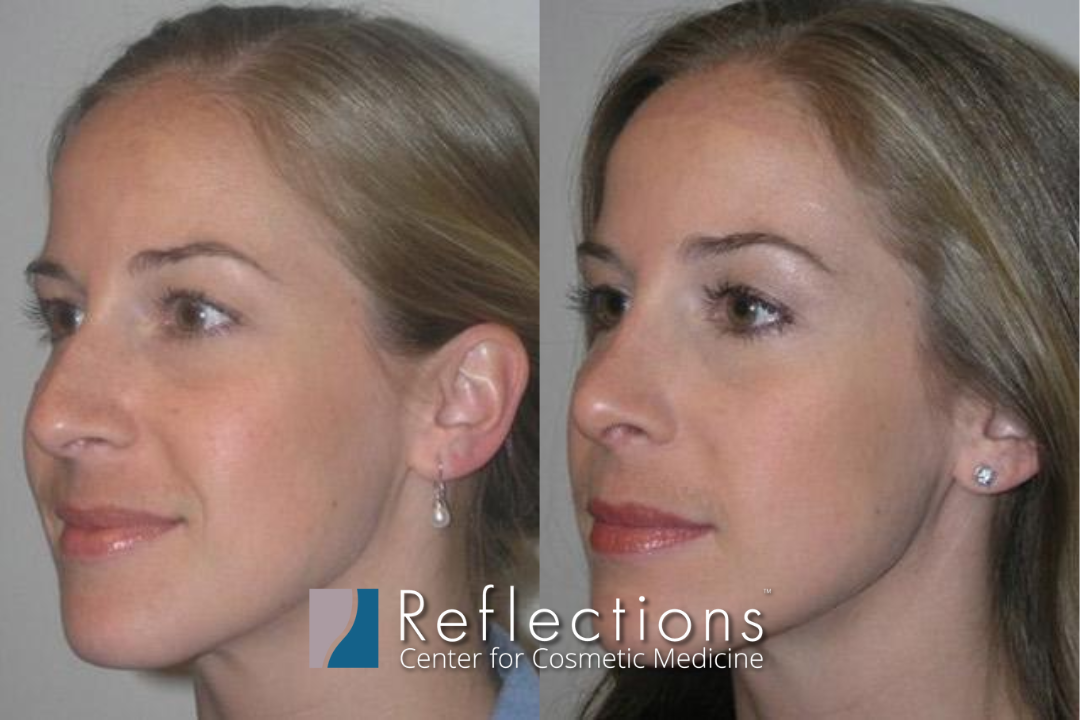
Closed Rhinoplasty Surgery
During a closed rhinoplasty, incisions will be made inside the nose to manipulate and reshape the inner cartilage and bone. This method can be used for individuals hoping for subtle changes and often results in less swelling since there is less manipulation of the nasal structure.
Septoplasty Surgery
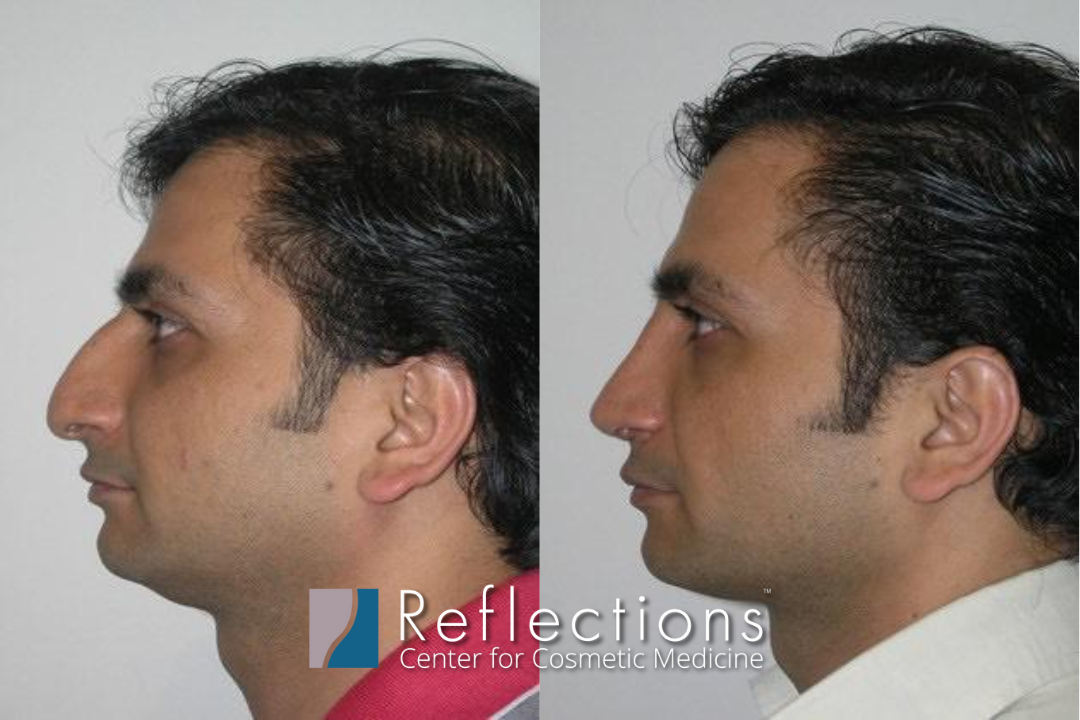
A septoplasty is often done as a functional procedure to correct a deviated or crooked septum. The septum is the wall that separates the two nostrils and when it deviates, this can impair the airways and make it difficult to breathe.
Open Rhinoplasty Surgery
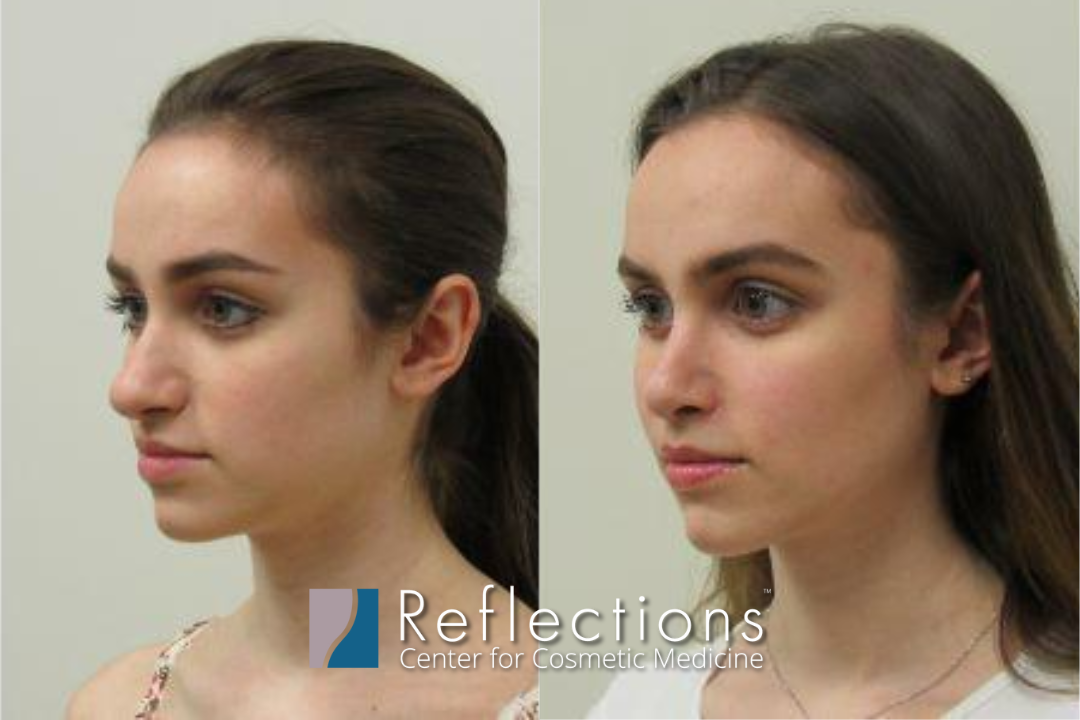
Dr. Fodero prefers open rhinoplasty because this technique gives him a better view of the whole nasal structure. It is the dominant technique used by many plastic surgeons. During an open rhinoplasty, incisions are made outside the nose to peel back the skin and open the entire nose. This outer incision is made on the soft tissue between the nostrils so that it can be easily concealed after surgery.

“For anyone else who is recommended something very aggressive, seek care from someone who specializes in less invasive measures to see if there are other alternatives.”
View My Story
“From my initial consult, I felt like everyone in your office understood my position and cared for me.”
View My Story
“People tell me how wonderful I look but they can’t figure out what’s different, just like you said.”
View My Story
View More Nose Before & Afters
More Before & Afters
Why Choose Reflections Center For Nose Job (Rhinoplasty)
At Reflections Center, Dr. Fodero is passionate about and specializes in rhinoplasty. He blends his creativity with exceptional technical skills to give his patients the best possible results. The ultimate goal is happy patients, and we strive to accomplish this from your initial consultation. Dr. Fodero will make sure you understand the procedure and ask you many questions to get a full understanding of the results you hope to accomplish.
Dr. Fodero is experienced in all types of rhinoplasties, including male and female rhinoplasty, ethnic rhinoplasty, revision rhinoplasty, and even procedures to rebuild a completely damaged nose. If you are coming in for a revision rhinoplasty, we understand that you may be nervous to undergo a second surgery and are happy to answer any questions or concerns you might have. No matter your concerns or reason for having a rhinoplasty, Dr. Fodero will make sure you receive the best treatment possible for a successful outcome.
Schedule Your Consultation Today
The best way to start the process of learning more about nose surgery with Dr. Fodero is to reach out to Reflections Center. You can schedule a consultation with us online or by giving our offices a call.
It is important to have realistic expectations when preparing for your rhinoplasty or non surgical nose job
How To Find The Best Nose Job Surgeon Near You
Dr. Fodero was trained at the University of Michigan where some of the best rhinoplasty surgeons have graduated. He has been passionate about rhinoplasty since his time in medical school and has since performed thousands of operations in the near 30 years he has spent specializing in this nasal surgery. Not only did he graduate from the University of Michigan and then Yale, but he also continues to improve his skills by discussing rhinoplasty with the best surgeons in the world. Dr. Fodero has a revision rate of 5% and this, along with his skills, has earned him a respectable reputation in his community.
Some questions you should ask you surgeon are how painful the surgery will be, when you will see results, and how much your surgery will cost. You should also ask about the recovery so that you have a good understanding of the rhinoplasty process and can prepare for your surgery.
Frequently Asked Questions About Nose Job (Rhinoplasty)
- How long does rhinoplasty last?
Depending on the type of procedure you are having and how complex the operation will be, you can expect your rhinoplasty to take anywhere from 1.5-3 hours.
- Is rhinoplasty painful?
A rhinoplasty is not as painful as you might fear, and most patients can treat their pain with Motrin. This minimal to moderate pain will only last six days after surgery and your doctor can also prescribe stronger pain medication if needed.
- How long is recovery after rhinoplasty?
During the first six days, your nose will swell, and you will have moderate pain. After these six days, the cast will come off and you can return to all your normal functions. Within 2-6 weeks, your nose will appear normal, and you can see the complete results. Full recovery can take as little as 3 months or up to 18 months, depending on how well your body heals.
- What are the risks of rhinoplasty?
After rhinoplasty, patients have varying degrees of bruising and swelling. One risk is that if too much cartilage is removed, the nose will appear abnormal, and the function can be impaired. It is important to find a qualified surgeon who understands this risk and has the technical skills to make the right amount of changes to your nose.
- What should I avoid after rhinoplasty?
During the first week post-op, avoid strenuous activities, showering, sunbathing, and blowing your nose. Stop smoking and drinking alcohol since this can impair your body’s natural healing process.
- What is the best age to get a rhinoplasty?
There is no “right” time to get a rhinoplasty, but you should wait until you are at least 16 years old and your body has stopped growing. Ultimately, when you choose your rhinoplasty is up to you.
- How do I prepare for a nose job?
Before your rhinoplasty, you should consult with your doctor about your current medications since you may need to stop taking certain ones, including anti-inflammatories like aspirin. You should also maintain a healthy diet and stop smoking so that your body is in a healthy condition for surgery.
- What is the best time to get a nose job?
The best time to have your surgery is ultimately up to you but you should be mentally and physically prepared for the changes that will result from your rhinoplasty. If you have an important event coming up, plan to have your rhinoplasty at least six weeks before so that you will be fully healed in time.
- Does your smile change after rhinoplasty?
Your smile may appear a bit different while your nose is swollen, but it should return to normal once your nose is healed.
Dr. Michelle Ellern’s skillful hands, artful techniques, and warm and caring personality as a cosmetic physician make her a wonderful addition to Reflections. She is certified in Aesthetic Medicine by the American Academy of Aesthetic Medicine, and is Board Certified in Internal Medicine.