


Beauty is Empowering
Reflections Center for Cosmetic Medicine
Reflections Center is New Jersey’s Best Medspa & Plastic Surgery Practice, with locations serving Central and Northern New Jersey.
Schedule a Consultation









Experience
the Reflections Difference
Please don’t trust your face to anyone other than a physician
Reflections Center for Cosmetic Medicine provides women and men in New Jersey with noticeable, but natural-looking results by combining the very best in non-surgical and surgical cosmetic treatments. “People will notice, but no one will know” Discover the Reflections difference, where all procedures are performed by physicians.
Before & Afters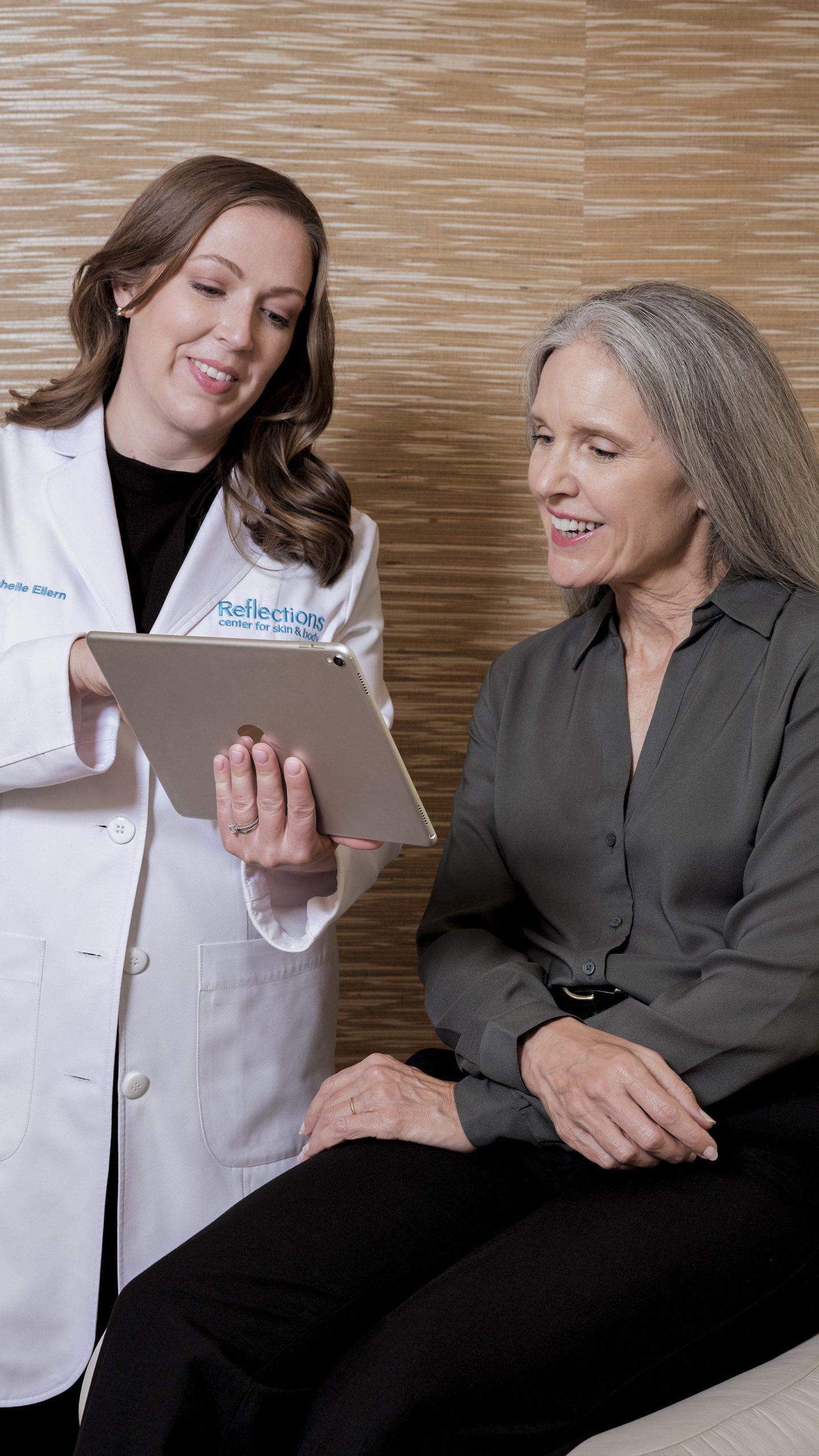

Natural Looking Results
That’s our specialty
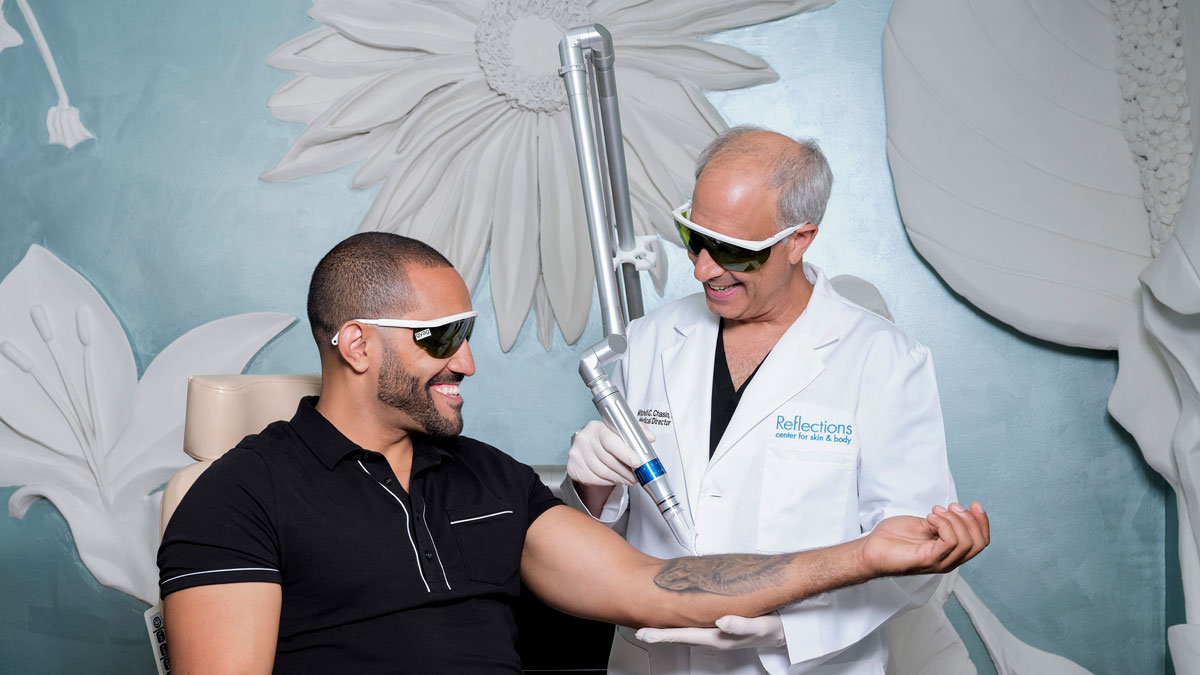
Reflections Center for Cosmetic Medicine understands your skin and body is unique. Natural-looking results is key to our medical spa patients in New Jersey, and our team and Physicians are committed to defining the truth and science behind the cosmetic treatments we provide. We aim to create a customized treatment plan with you that is entirely focused on your aesthetic goals, no matter your age, skin type, or other factors, such as your ability for downtime and budget.
Schedule Consult with PhysicianFeeling Beautiful
Can Transform Your Life
HEAR REAL STORIES FROM OUR PATIENTS
“I'm 46 years old and I've been a patient of Dr. Chasin's for almost a decade. He is so passionate about what he does and yet he has such compassion for his patients. I find myself completely comfortable here and that's why I come back all the time.”
- Blair, Livingston
More of this Patient View All Stories“"I threw away my spanx out and I'm so happy about that...the results are incredible."”
- Danielle, New York
More of this Patient View All Stories““I feel very refreshed. I feel like it wasn’t an extreme look, but it feels and looks softer, smoother. I just feel really good.””
- Bibiana, Millburn
More of this Patient View All Stories“All of that dimpling is gone! It looks amazing! I am super happy with my results and I love looking in the mirror each and every day.”
- Joie, Bridgewater
More of this Patient View All StoriesWe’re There For You
Whether you desire a little tweak or a full transformation
Our team includes some of the nation's best cosmetic physicians and aestheticians. Each is highly specialized in their individual area of expertise, but work together in a seamless manner to provide the very best results. Highly-trained and experienced physicians like the team at Reflections Center means you'll never have to settle.
Our practice focuses on creating the very best natural-looking results for patients of all ages, ethnicities, lifestyles, and backgrounds. That's why we practice as a team of physicians, and why we offer so many cutting-edge technologies and procedures. Learn more about our unique approach to the art and science of cosmetic medicine.
Our physicians are regularly sought out by the media as experts in the field of cosmetic medicine - and have been for decades now. Check out our media gallery to see our doctors appearing on national TV, in your favorite magazines, and online media outlets, too.
-
Mitchell Chasin, MD
Cosmetic & Laser Physician
-
Renata Wix-Harris, MD
Cosmetic & Laser Physician
-
Joseph Fodero, MD
Board Certified Plastic Surgeon
-
Verity Johnson, MD
Cosmetic & Laser Physician
Start Your Journey with a Free Consultation
with one of America’s best cosmetic doctors
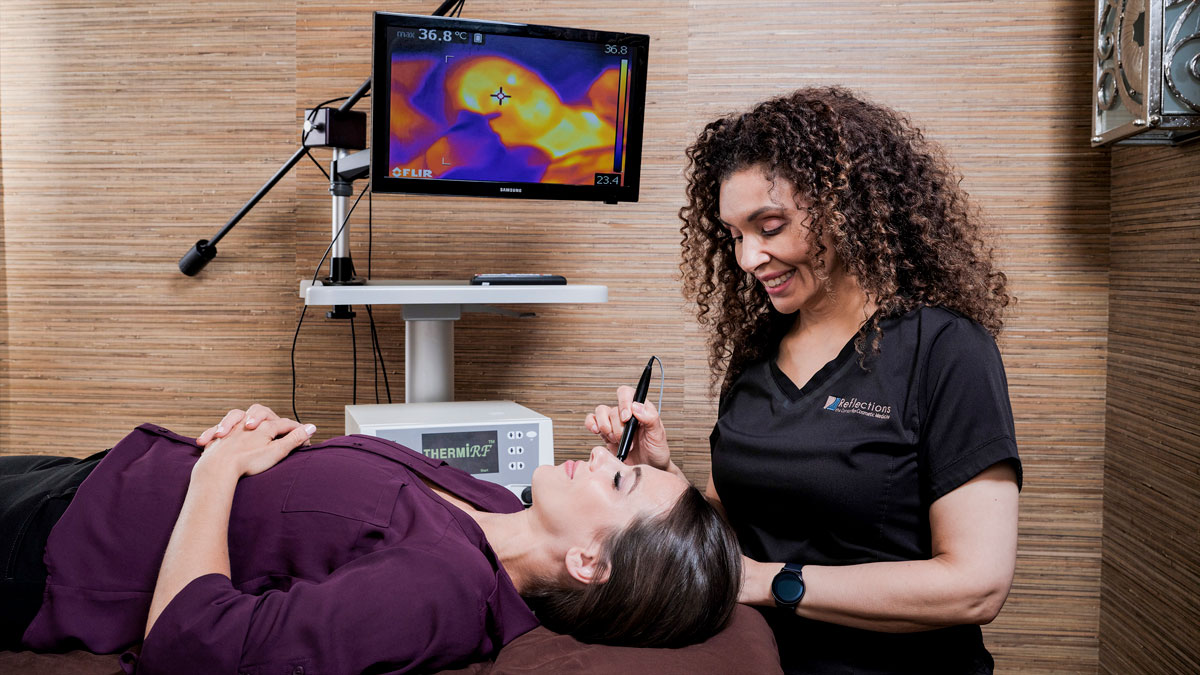
We offer several facial procedures to treat all types of skin and aesthetic concerns, including injectables and fillers, acne treatment, facials, laser treatment, and plastic surgery. We can also recommend a trusted, quality skincare brand to keep your skin rejuvenated between visits.
More Services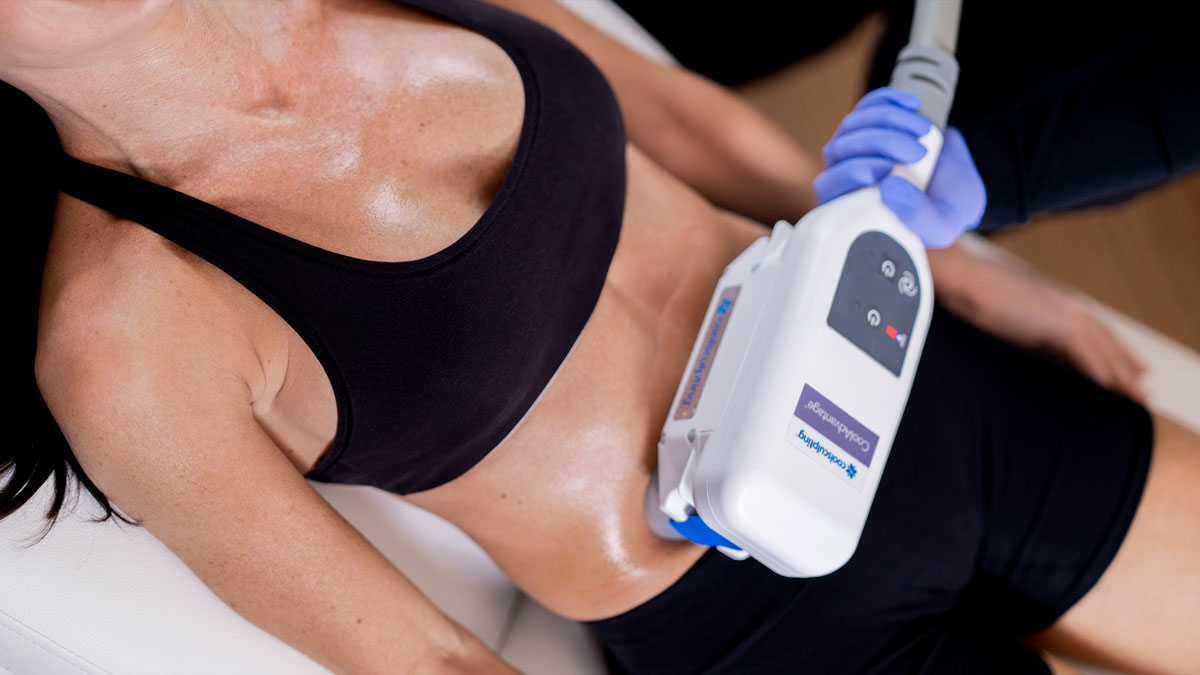
Depending on your comfort level and the results you hope to achieve, we offer both non-invasive and surgical body procedures.. Body sculpting, cellulite treatment, buttock enhancement, vaginal rejuvenation, tattoo removal, and more are offered at Reflections Center.
More Services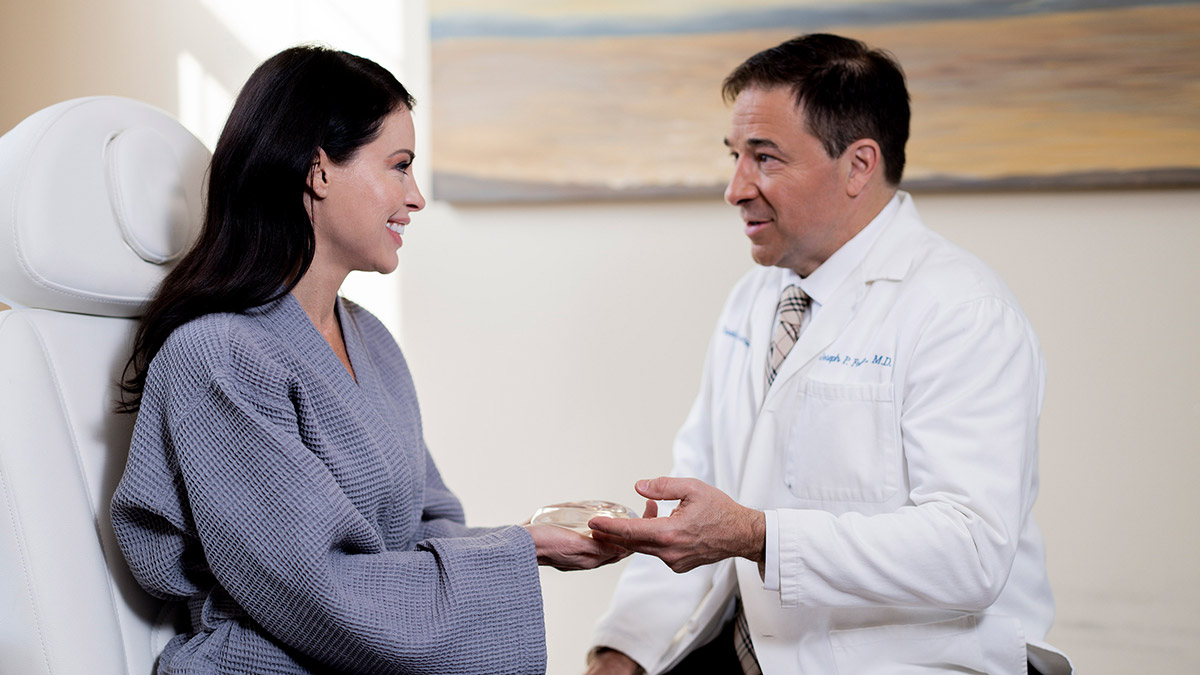
Our plastic and cosmetic surgeons specialize in many face and body plastic surgery procedures. Our facial plastic surgery procedures include rhinoplasty, neck lifts, facelifts, eyelid lifts, lip lifts, and earlobe surgery.
More Services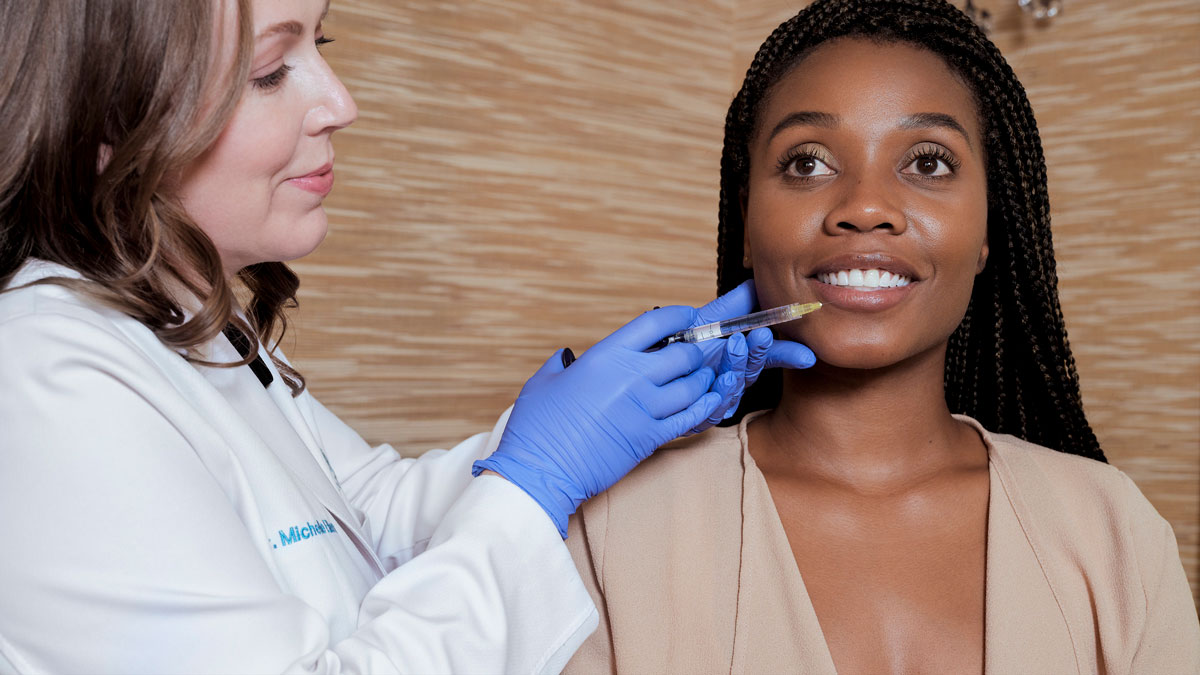
Injectables can be used to smooth fine lines and wrinkles, restore volume to hollowed areas of the face, and improve skin texture. They can also be used as a surgical alternative for a facelift, nose job, jawline sculpting, and cellulite treatment.
More ServicesExplore the Best Non-Surgical Cosmetic Treatments Available Today
Rejuvenate your skin with laser treatment, injectables, or microneedling. Each of these treatments can improve skin tone, texture, hyperpigmentation, laxity, and other signs of aging.
Using ultrasound technology, radiofrequency energy, and your body’s own collagen production, these non-surgical treatments will tighten loose skin and improve the appearance of fine lines and wrinkles for radiant, youthful skin.
These procedures will freeze, melt, or dissolve fat without the need for liposuction or other invasive measures. Sculpsure is a laser treatment, Kybella is an injectable administered in a series of treatments, and CoolSculpting uses freezing technology to eliminate stubborn fat for a more toned appearance.